No Books, No Future: The Silent Struggle in Ghana’s Basic Schools.
In classrooms across Ghana, a quiet crisis is unfolding, one that rarely makes headlines but continues to erode the foundations of quality education. While attention is often focused on infrastructure, teacher recruitment, and curriculum reforms, a more fundamental issue persists: the lack of basic textbooks for core subjects in many schools.
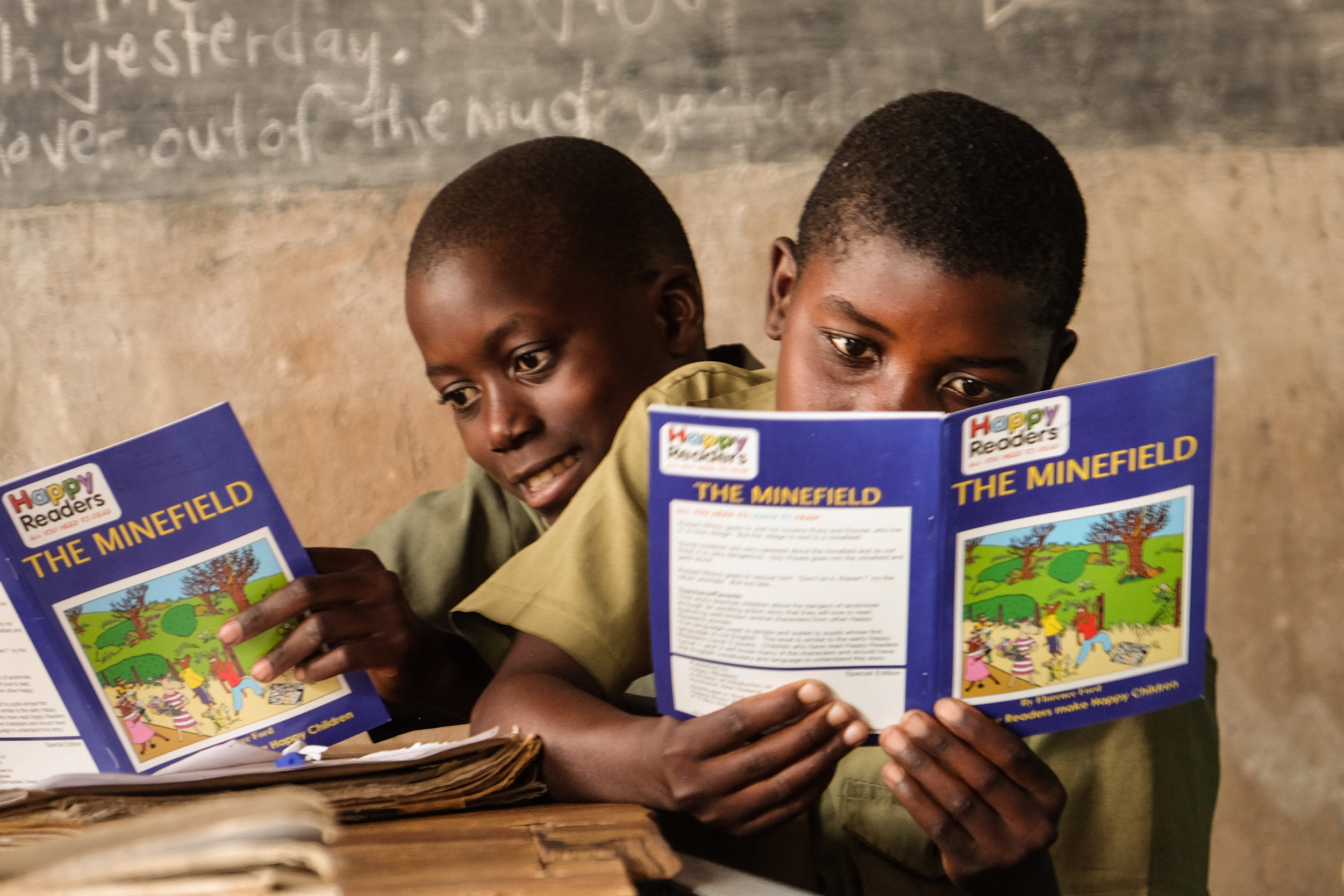
For countless pupils, subjects such as Religious and Moral Education (RME), History, Computing, and Creative Arts are taught without the support of standard learning materials. In these classrooms, the textbook, arguably the most essential educational tool, is either scarce or completely absent. The result is a learning environment where both teachers and students are forced to navigate the curriculum with limited guidance.
Although this challenge is clearly evident in communities such as Ketu North, where schools like Kpelikorpe M/A Basic School, Torvie Basic School, Kave M/A Basic School, Agorvie Basic School, Zukpe Basic School, and R.C Demonstration School continue to grapple with the unavailability of textbooks, the problem is by no means limited to these areas. It reflects a widespread national concern affecting basic schools across the country, particularly in underserved and rural communities.
Teachers, often described as the backbone of the education system, are left to improvise. Without textbooks, lesson preparation becomes a daily struggle, requiring educators to rely on personal notes, memory, or fragmented resources. While some manage to adapt, the lack of structured materials inevitably affects the depth, clarity, and consistency of instruction. Even the most committed teacher cannot substitute for the role a well designed textbook plays in guiding both teaching and learning.
For students, the impact is even more profound. Textbooks serve as a bridge between classroom instruction and independent learning. They allow pupils to revisit lessons, practice concepts, and build confidence in their understanding. Without them, learning becomes confined to what can be absorbed during limited classroom hours. This not only weakens comprehension but also contributes to declining academic performance.
The consequences extend beyond individual classrooms. A growing disparity is emerging between schools with adequate learning resources and those without. Students in well resourced environments benefit from structured content and consistent revision tools, while their counterparts in deprived schools are left behind. This imbalance threatens the principle of equal educational opportunity and risks widening existing inequalities.
Perhaps most concerning is the long term impact on national development. Subjects like Computing are critical in preparing young people for a technology driven world, while History and RME play vital roles in shaping identity, ethics, and civic consciousness. Creative Arts fosters innovation and critical thinking, skills essential for a modern economy. When these subjects are taught without the necessary materials, the broader goal of holistic education is compromised.
Despite these challenges, the issue of textbook shortages has not received the urgency it deserves. Addressing it requires more than acknowledgment; it demands deliberate policy action. The government and the Ministry of Education must prioritise the procurement and equitable distribution of textbooks across all basic schools. This includes not only supplying materials but also ensuring they are updated, relevant, and accessible to every learner.
At the same time, civil society organisations such as CREP Africa are uniquely positioned to bring this issue to the forefront. Through advocacy, research, and community engagement, they can highlight the realities on the ground and hold stakeholders accountable. By amplifying the voices of teachers and students, they can help drive meaningful change.
The textbook shortage may not be as visible as dilapidated classrooms or overcrowded schools, but its impact is just as damaging. It is a silent barrier to quality education, one that continues to undermine teaching, limit learning, and hinder the potential of thousands of Ghanaian children.
If Ghana is serious about improving educational outcomes, then ensuring that every child has access to basic textbooks must become a national priority. The solution is neither complex nor unattainable. What is required is commitment, coordination, and the political will to act.
Until then, the pages that should be shaping young minds will remain missing, and so too will the opportunities they represent.
Mileba Godwin Kwame, President CREP Africa
1 Comment
Leave a Comment
Djan
September 17, 2026 at 9:39 PM